

Molly Rains - New Hampshire Bulletin
-
 The Casella landfill in Bethlehem is set to close at the end of 2026, which also means its free curbside waste pickup for residents will no longer be available.
 -
 Heating assistance has increased, but not enough to keep pace with the rise in heating costs in New Hampshire.
 -
 In New England, all six governors are enthusiastic for new nuclear energy. They're calling for a regional nuclear roadmap, with continued collaboration.
 -
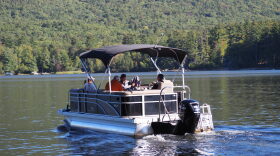 For Lake Kanasatka, the cyanobacteria treatment “is doing what it’s supposed to do,” said Amanda McQuaid, director of the UNH Lakes Lay Monitoring Program.
 -
 “As a Northeast state that’s got logging and mining and a lot of activities, I do think the state’s Endangered Species (Conservation) Act is going to be really, really important,” said Erica Fuller of the Conservation Law Foundation.
 -
 The latest U.S. Drought Monitor report indicates more than half of New Hampshire is experiencing moderate drought, while about 41% was abnormally dry.
 -
 The New Hampshire Department of Environmental Services is not aware of any impacts to New Hampshire systems from that particular spree of attacks, spokesperson James Martin said in an email to the Bulletin. But, he added, “systems are always being probed.”
 -
 “What we do best right now looks like nuclear, and I think we can benefit from expanding that,” said Thomas Barrasso, director of energy innovation for the New Hampshire Department of Energy at a public meeting this June.
 -
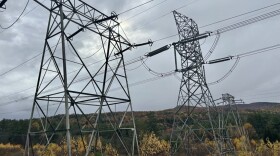 Gov. Kelly Ayotte did not join five New England governors in letter opposing proposed merger between Seabrook Station owner NextEra and Dominion utilities.
 -
 Sea-level rise and the increasing intensity of storms and rainfall events, also worsened by climate change, have led to more frequent flooding in coastal areas like Hampton.


