


As Americans remember the country's fallen service members this Memorial Day weekend, one New Hampshire librarian is working to preserve the graves of Windham residents from the past, including the town's civil war veterans.
This week, Erin Moulton started what she hopes will be a months-long project to clean and document 19th and early 20th century gravestones in the town’s Cemetery on the Plains.
“Because these do fade and because the headstones break and sometimes will fall down and because they're weathered and deteriorated over time, they can fade into being completely unreadable or they can be destroyed by weather conditions,” Moulton said.
With permission from the cemetery's trustees, Moulton will be using soft brushes and gravestone-specific cleaning solutions to bring the darkened marble and granite back to life for the sake of the people buried there — and to preserve local history.

“It's a service to the stone, the person who was there, and it's a service to the public in the future as well,” she said. “So that it's still documented, still readable to the local historians and to the genealogists, to family members.”
She’s hoping to finish cleaning a large section of the cemetery by early October. She says other people can volunteer to maintain local headstones if they follow some important steps. Here’s how.
Get to know your local cemetery
Moulton recommends people go out and explore their local cemeteries to get to know their local history. Lots of cemeteries, like in Windham, offer self-guided tours with information on the people buried there and the tradespeople who made their markers.
“I think there's a lot to admire, both in terms of sculpture and workmanship,” Moulton said, "but also town history and appreciation for that, or at least curiosity.”
Get trained in how to care for gravestones
Gravestones have to be handled carefully, especially when they are more than a century-old. The New Hampshire Old Graveyard Association and the Vermont Old Cemetery Association teach classes on gravestone care — that’s how Erin learned how to assess a stone’s damage and what to use when cleaning it.


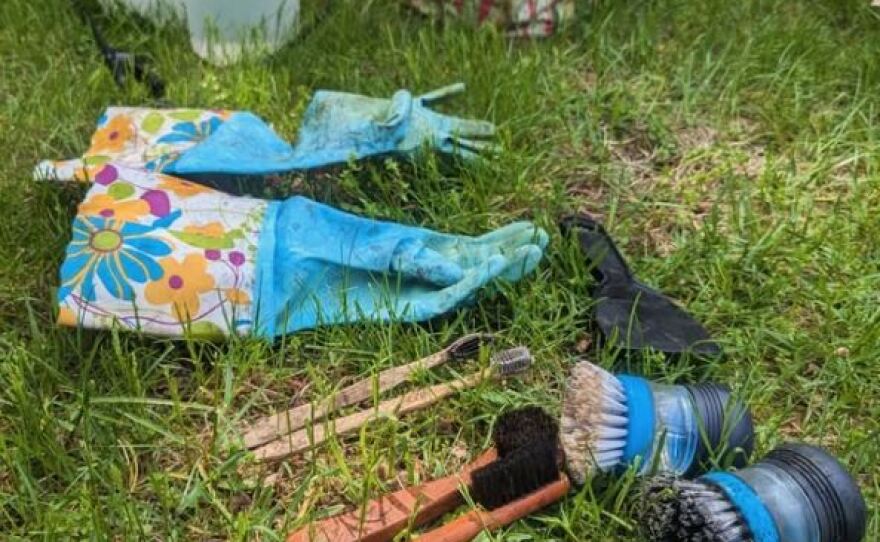
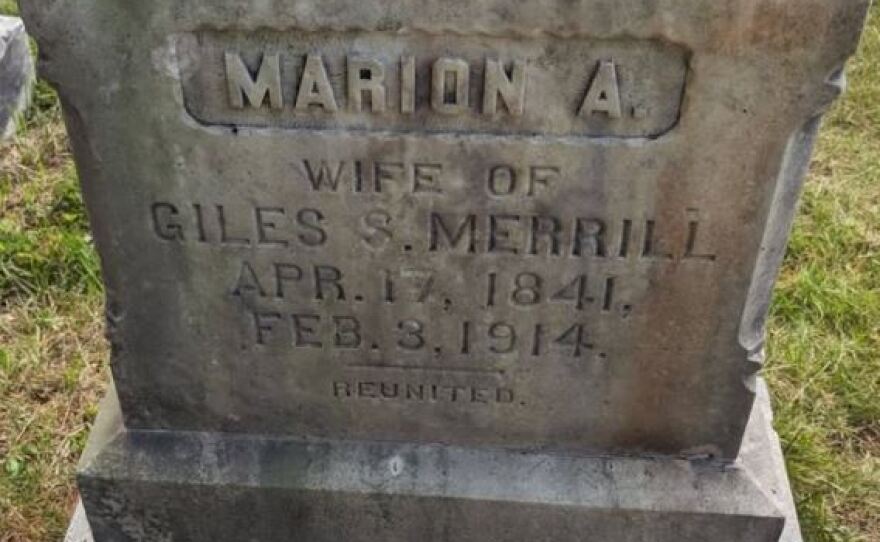
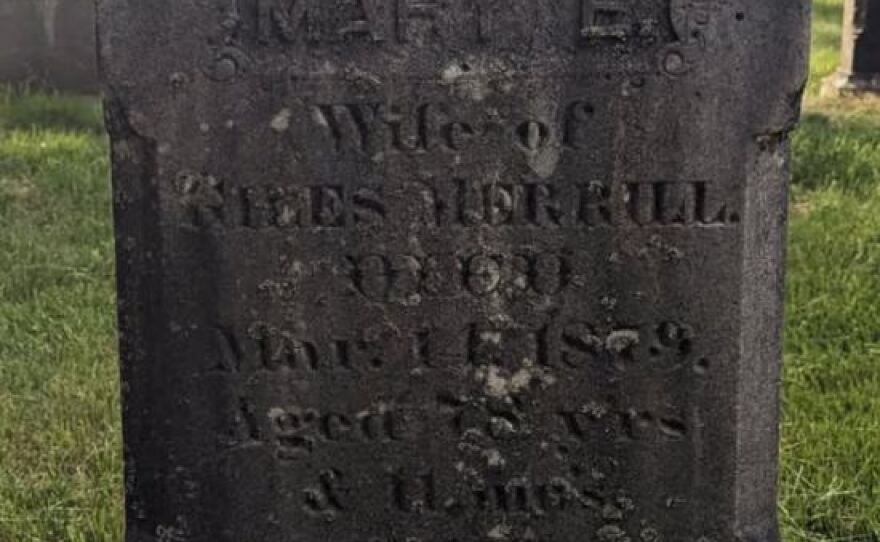
“It's conservation quality materials,” Moulton said. “It's not like I would clean it with dish soap or chlorine. That would be very bad.”
Local graveyard and cemetery associations like those in New Hampshire and Vermont have cleaning and volunteer crews that go out, sometimes every weekend, to do gravestone preservation work. It’s also a way to make friends and learn from people who are already trained in the cleaning work.
Ask permission
Every headstone in a cemetery is the personal property of the person who bought it.
“You wouldn't just walk into a cemetery and assume you could clean a stone unless it's your own family gravestone that you purchased,” Moulton said. “If you damage that and it's somebody else's stone, then you're then responsible for damaging personal property, and there are laws governing that.”
Moulton asked the Windham cemetery’s trustees if she could work on the Cemetery on the Plains beforehand, and she showed them she’d been trained to take care of historic stones. Reach out to your local cemetery’s trustees or town authorities to learn about their process for cleaning old gravestones.


