

Ethan DeWitt - New Hampshire Bulletin
-
 Republican legislative leaders thanked EPA Administrator Lee Zeldin during his visit to New Hampshire on Sept. 30, for help in expediting its departure from mandatory emissions inspections as it ended car inspections in the Granite State.
 -
 A new report from New Hampshire Housing finds rent growth has slowed, but affordability pressures remain, and housing challenges have workforce and economic impacts.
 -
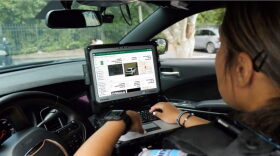 Since 2016, New Hampshire state law has allowed only state, county, or local law enforcement officers to use “number plate scanning devices,” or automated license plate readers.
 -
 About 80% of residents between 18 and 40 would prefer to live in a single-family home, according to a Saint Anselm College survey commissioned for the advocacy group Stay Work Play.
 -
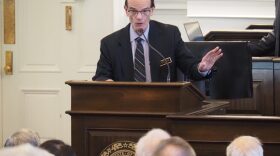 Lawmakers rejected seven of the governor's 31 vetoes in Wednesday's session at the State House.
 -
 A two-year standoff between Gov. Ayotte and lawmakers over whether to raise tolls for out-of-state drivers came to a head when the Senate added the revenue measure to the 10-year plan and Ayotte vetoed it in July.
 -
 Secretary of State David Scanlan provided an update Wednesday on regulation of pooled risk management programs, a year after numerous school districts received surprise billing increases for health coverage.
 -
 The new state law requires teachers to disclose any information requested by parents about their child, with some exceptions, effectively overriding a New Hampshire Supreme Court decision.
 -
 Many of the vetoed bills were lightning rod political priorities for members of her party.
 -
 The New Hampshire Attorney General's office is appealing a federal court ruling last month striking down a state law requiring voters provide proof of citizenship to register in the Granite State. The AG wants to put that ruling on hold ahead of the state primary election Sept. 8, 2026.


