© 2026 New Hampshire Public Radio

Persons with disabilities who need assistance accessing NHPR's FCC public files, please contact us at publicfile@nhpr.org.
Play Live Radio
Next Up:
0:00
0:00
0:00 0:00
Available On Air Stations
NHPR WANTS TO FILL YOUR TANK!⛽ GET YOUR SUMMER RAFFLE TICKETS AND WIND UP WITH $8K IN FUEL, A NEW CAR, OR $30K CASH.

How 'Broken Windows' Helped Shape Tensions Between Police And Communities

The broken windows theory of policing suggested that cleaning up the visible signs of disorder — like graffiti, loitering, panhandling and prostitution — would prevent more serious crime as well.
Getty Images/Image Source
The broken windows theory of policing suggested that cleaning up the visible signs of disorder — like graffiti, loitering, panhandling and prostitution — would prevent more serious crime as well.

As the mayor of New York City, Rudy Giuliani was a proponent of a controversial policing philosophy known as "broken windows." It calls for police to go after small crimes, in hopes of preventing bigger problems.

At first, it appeared as if violent crime dropped in the neighborhoods where "broken windows" policing was in force. The statistics, however, told a different story.

But the idea remains popular, despite evidence it likely had only modest effects.

Copyright 2021 NPR. To see more, visit https://www.npr.org.
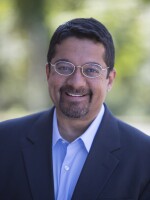
Shankar Vedantam is the host and creator of Hidden Brain. The Hidden Brain podcast receives more than three million downloads per week. The Hidden Brain radio show is distributed by NPR and featured on nearly 400 public radio stations around the United States.

You make NHPR possible.

NHPR is nonprofit and independent. We rely on readers like you to support the local, national, and international coverage on this website. Your support makes this news available to everyone.

Give today. A monthly donation of $5 makes a real difference.