

Rebeca Pereira - Concord Monitor
-
 Last week, the Concord urged the company and engineers proposing to build a “micro” data center on Concord’s Locke Road to return with more precise information about the center’s electricity usage and its foreseeable effect on the regional power grid, as well as its potential for growth in both energy consumption and footprint.
-
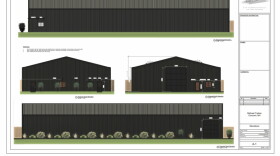 Levitate Inc. CEO Ryan Howard said the micro data center’s configuration and cooling technology differ substantially from hyperscale data centers.
-
 3M Company, EIDP, Inc. and its DuPont affiliates, and W.L. Gore & Associates, Inc. are named as defendants in a class action lawsuit filed by the city of Keene and the town of Londonderry in federal court on Tuesday.
-
 The company entered into a consent decree, resolving the civil case alleging it violated the Clean Water Act with no an admission of guilt or liability.
-
 Growers are having to manage both higher temperatures and dumping rain as climate change increases weather volatility.
-
 Clegg, who was convicted in the 2022 murders of a Concord couple, sought to exclude evidence that police collected after he was tracked down without a search warrant.
-
 Breakfast after the bell, or second-chance breakfast, offers an extended block of time during the school day when students can eat breakfast as they pass from class to class or take study halls.
-
 House Bill 1766 "provides procedures for the potential confiscation of livestock involved in cruelty to animal cases." The contentious bill is headed to Gov. Kelly Ayotte's desk after the House and Senate passed it. Advocates like the New Hampshire Farm Bureau see it as preserving due process rights for farmers. Representatives of some human societies question if it limits their ability to assist in animal cruelty cases.
-
 In 1976, the New Hampshire Department of Agriculture, Markets and Food listed 56 legacy farms as enduring within the same family of owners for 200 years. As the nation now marks its semiquincentennial, 250 years since the signing of the Declaration of Independence, only a fraction of those farm enterprises remain.
-
 California produces the majority of carrots cultivated in the United States, and a cold January and hot March have delayed carrot harvests.


