


Julia Barnett
Host, All Things ConsideredAs the host of All Things Considered, I work to hold those in power accountable and elevate the voices of Granite Staters who are changemakers in their community, and make New Hampshire the unique state it is. What questions do you have about the people who call New Hampshire home?
I also report on Indigenous communities in New Hampshire and issues of assessing connection to communities in an area absent tribes with state or federal recognition.
You can reach Julia at jfurukawa@nhpr.org.
-
 As this campaign enters the home stretch, the outcome may hinge on what voters find least distasteful.
 -
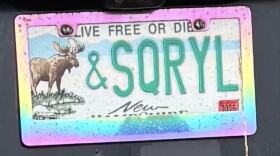 New Hampshire is known for its wealth of vanity license plates. You spotted some great ones.
 -
 Yankee Magazine’s foliage reporter joins NHPR for an update on how the colors are progressing.
 -
 Join NHPR's Julia Barnett for Writers on a New England Stage at The Music Hall in Portsmouth, NH, for an intimate conversation about Ariel Lawhon's newest novel, "The Pirate Queen."
 -
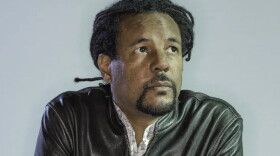 Two-time Pulitzer Prize winner Colson Whitehead visits the Capitol Center for the Arts to sit down with NHPR’s Julia Barnett and discuss the third and final novel in his Harlem trilogy, Cool Machine.
 -
 There’s been changes to NH’s election laws in recent years. Durham’s town clerk has been working to keep her town informed.
 -
 We asked, you answered.
 -
 Senate Democratic candidate Chris Pappas is serving his fourth term as the U.S. representative from New Hampshire’s 1st Congressional District.
 -
 Senate Democratic candidate Karishma Manzur lives in Exeter, serves as a volunteer with progressive organizations and has a background in medical science.
 -
 Camp Mayhew serves boys ages aged 10 to 12 who face challenges at home and in school, giving them three weeks away to build skills and relationships.


